Hear with your brain again
You do not hear with your ears alone. The ear is the messenger - the brain does the listening. Understand how hearing works, what loss feels like, and how to protect speech understanding.
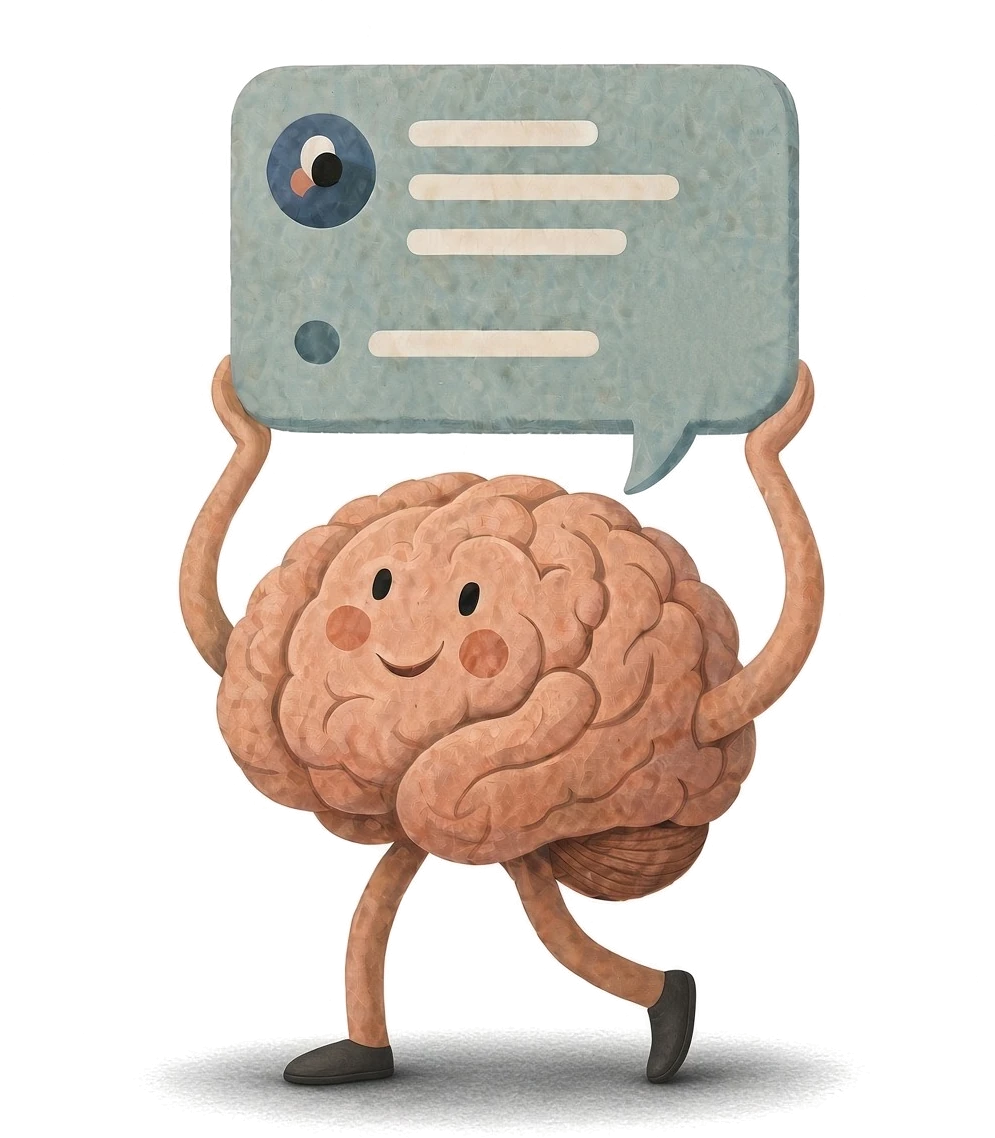
You hear with your brain
The ear is the messenger. Three calm steps from sound to understanding.
- Collect
Ears
Outer and middle ear gather sound and move it inward.
- Amplify
Inner ear
Hair cells turn vibration into signals the nerve can carry.
- Interpret
Brain
Your brain turns signals into words, jokes, and meaning.
How the ear works
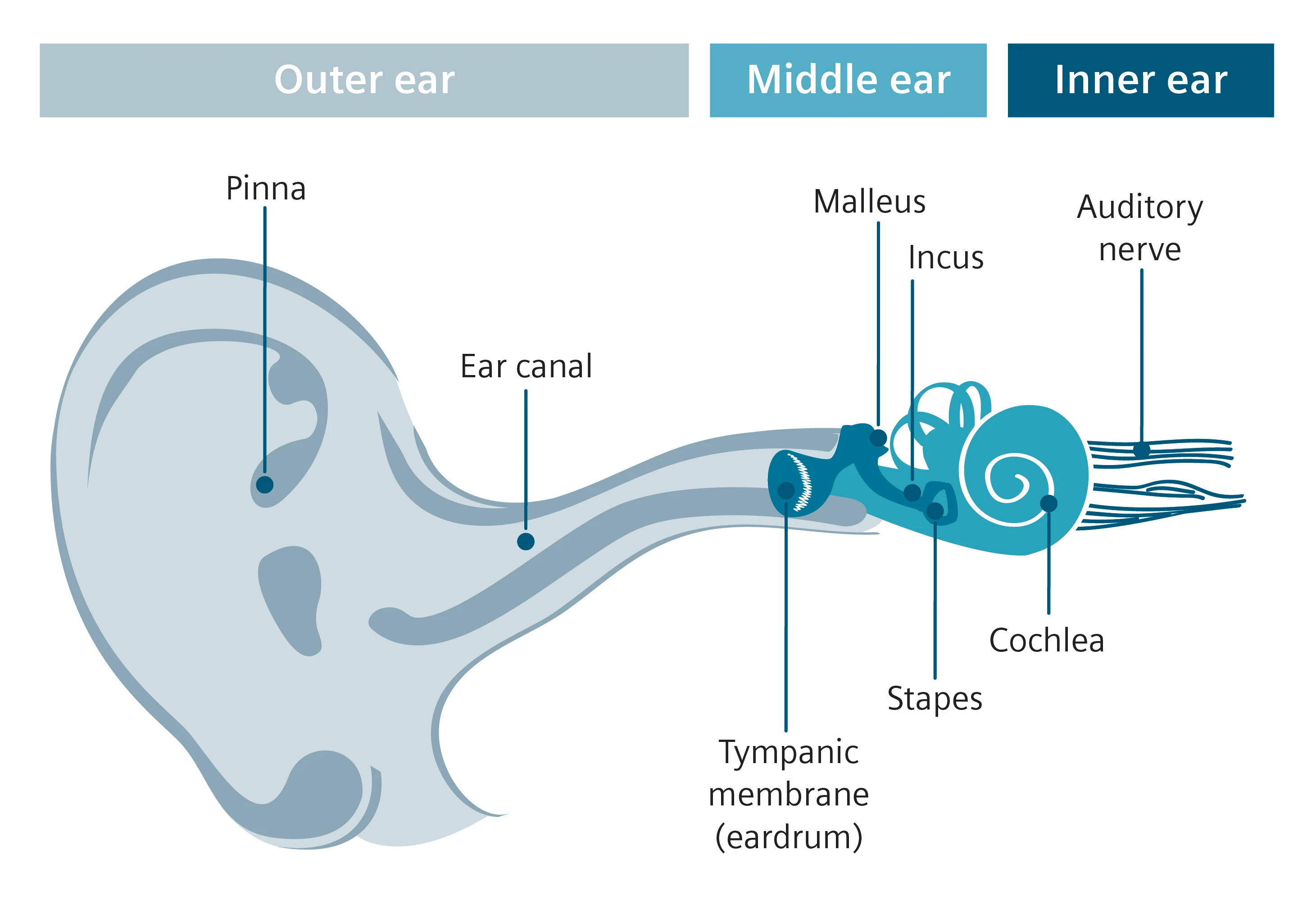
Outer ear
Pinna and canal collect sound and guide it to the eardrum.
Middle ear
Tiny bones amplify vibration and pass it to the inner ear.
Inner ear
Cochlea converts motion into nerve signals for the brain.
What hearing loss feels like
Empathy, not scare tactics. If these sound familiar, you are not alone.
People seem to be mumbling
Missing jokes at the table
Straining at dinner or in cafes
TV louder than everyone else wants
Exhausted after social events
Relying on context more than sound
Degrees of hearing loss
Hearing loss is measured in levels - from mild through to profound. Knowing where you sit helps you choose the right next step, calmly.
Mild
Soft speech and quiet sounds are easy to miss - especially in a busy room.
Moderate
Conversation is harder without focus. You may ask people to repeat often.
Severe
Everyday speech is very difficult without help. Loud sounds may still be heard.
Profound
Most speech is not heard. Very loud sounds may only be felt as vibration.
A short guide to the degrees of hearing loss - and what each level can feel like day to day.
How we protect speech understanding
Modern hearing aids restore access to sound. Our 8-week rehab trains the brain to use it. Together they protect conversation - not just volume.
Hearing aids + brain plan
Hearing aids
Restore access to the speech sounds your brain needs.
8-week rehab
Train the brain to use that sound - so jokes, names and dinner talk come back into focus.
What waiting costs
Most people wait about 7 years before addressing hearing loss. In that time the brain gets less clear speech practice - and understanding can harden into a harder problem.
Protecting speech understanding early is kinder than catching up later.